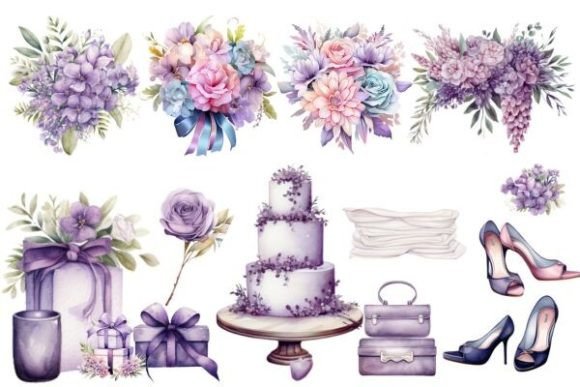
Watercolor Purple Wedding Elements: A Designer's Guide
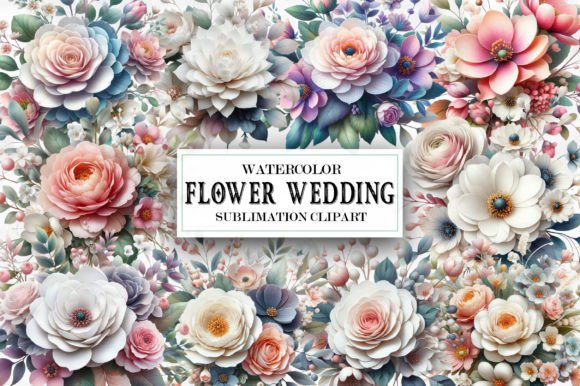
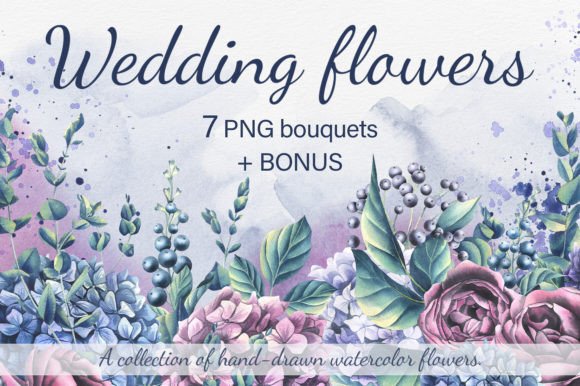
The charm of watercolor art lies in its organic flow and soft, blended edges. When combined with a regal color like purple, it creates a specific mood—elegant, romantic, and slightly whimsical. A Watercolor Purple Wedding Element PNG collection is not just a set of graphics; it is a toolkit for storytelling. These assets typically feature floral arrangements, delicate foliage, ornamental borders, and abstract washes rendered in various shades of violet, lavender, plum, and mauve. The visual personality is soft yet impactful, making it a favorite for projects that require a touch of sophistication without feeling overly rigid or corporate.
Unlike a premium font that dictates the voice of your text through letterforms, these elements dictate the atmosphere. They provide the "background" or the "accent" that frames your typography. Imagine a script font or a handwritten font paired with these watercolor florals; the combination often results in a cohesive, artisanal aesthetic that feels handcrafted. The transparency of the PNG format is the critical technical feature here. It allows the paint strokes to look like they were applied directly onto your surface, whether that is a digital screen or a physical print. This seamless integration is what separates amateur designs from professional-grade brand identity materials.
Practical Applications: From Digital Spaces to Tangible Goods
The versatility of this specific design asset allows it to bridge the gap between digital and print design. For entrepreneurs and small business owners, particularly in the wedding industry, these elements are invaluable. A wedding planner can use them to create a consistent visual language across social media graphics, web design headers, and physical brochures. Because the files are high-resolution (3000 x 3000 pixels), they maintain their quality even when scaled for larger formats like posters or signage.
Here is where you can effectively apply a Watercolor Purple Wedding Element PNG:
- Editorial and Publishing Design: Use these elements to create soft borders or background textures for magazine layouts, book covers, or blog headers. They add depth without distracting from the main text.
- Packaging Design: For product-based businesses, such as candle makers or soap artisans, these florals can wrap around labels or decorate boxes, instantly communicating a "luxury" or "botanical" product positioning.
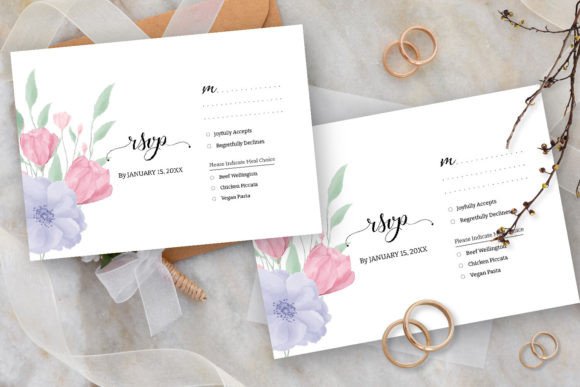
- Stationery and Scrapbooking: The original use case remains strong. Creating digital clipart, stickers, or planner inserts allows crafters to add a personalized touch to their journals or junk journals.
- Sublimation and Merchandise: The high resolution makes them perfect for sublimation designs. You can print these elements onto mugs, pillows, wall clocks, and tote bags. The purple tones often pop beautifully on white or light-colored substrates.
Strategic Integration: Hierarchy and Brand Perception
Using decorative elements requires a strategic eye. The goal is to enhance visual hierarchy, not clutter it. When incorporating a Watercolor Purple Wedding Element PNG, consider the "weight" of the graphic. A large, dark plum floral cluster has more visual weight than a light lavender wash. Use the heavier elements to anchor corners or frame call-to-action buttons, and use the lighter elements as subtle background textures.
In terms of brand perception, purple is psychologically associated with royalty, luxury, and creativity. By using these watercolor assets, a brand signals that it values elegance and artistic detail. This is particularly effective for service-based businesses like photography, event planning, or high-end consulting. However, consistency is key. If you use these elements in your logo design or marketing materials, ensure the purple hue matches across all platforms. Slight variations can occur due to screen calibration differences, so establishing a specific hex code for your digital presence that complements the watercolor art is a professional best practice.
Pairing and Technical Considerations
A common challenge with ornate watercolor elements is ensuring text remains legible. This is where your choice of typeface becomes critical. Avoid using a decorative font or a highly complex display font directly over a busy watercolor cluster. Instead, opt for clean sans serif fonts or simple serif fonts for body copy to ensure readability.
Font pairing is an art form in itself. When working with watercolor elements:
- The Contrast Approach: Pair the organic, soft watercolor shapes with a geometric, bold sans serif font. This creates a modern tension that feels fresh and professional.
- The Harmony Approach: Combine the florals with a flowing script font or handwritten font. This works best for invitations, greeting cards, and romantic branding, though you must ensure the script is legible at smaller sizes.
- The Minimalist Approach: Use the watercolor elements sparingly—perhaps just a single leaf or a small paint splatter—as an accent to a strong typographic layout. This keeps the design looking like modern typography rather than a scrapbook page.
Finally, always check the file structure of your download. A professional set usually includes individual PNGs on transparent layers, allowing you to resize, rotate, and layer elements independently. This modularity is essential for creating unique compositions that don't look like a generic template. Whether you are a designer building a client's brand identity