The Definitive Guide to Using Bride and Groom Icons in Modern Wedding Branding
Why a Simple Silhouette Speaks Volumes About Your Wedding Brand
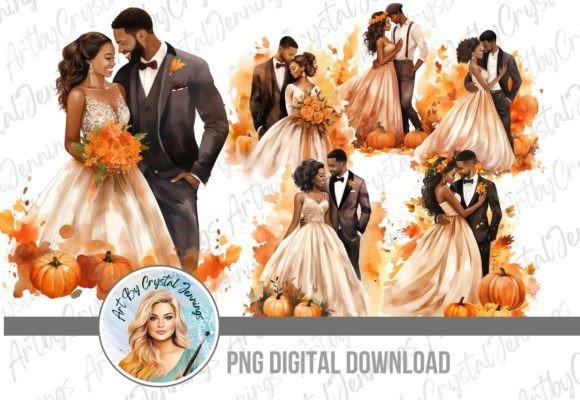
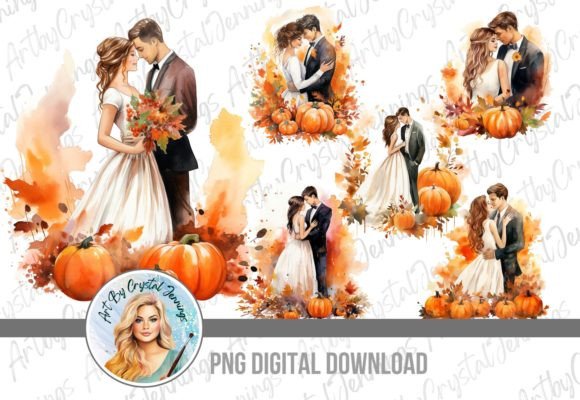
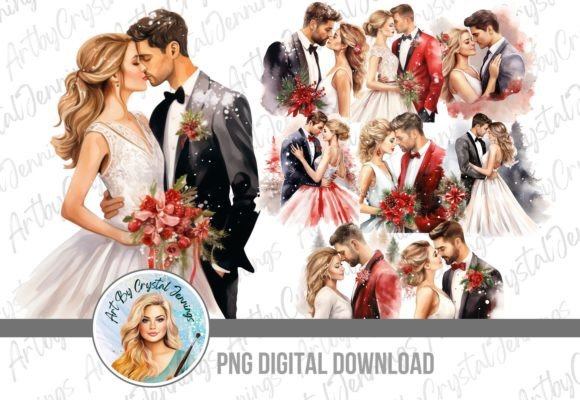
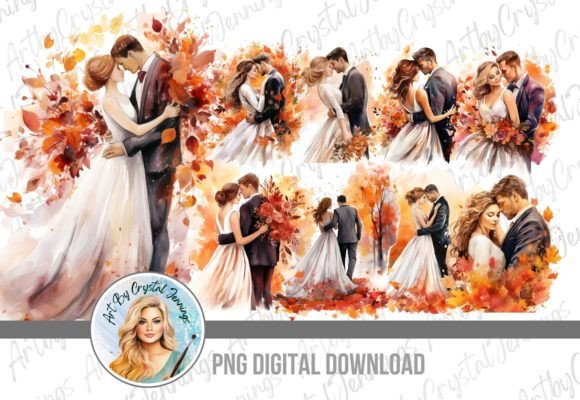
When you close your eyes and think of a wedding, certain images immediately come to mind: the rings, the cake, the flowers. But perhaps no visual shorthand is as universally recognized as the Bride and Groom Icon. It is the ultimate wedding symbol. While the specific "Ma" style often refers to a particular aesthetic of these icons—typically depicting a couple in profile or full silhouette, often with a modern or slightly retro flair—the concept transcends any single design. This icon is a cornerstone of wedding communication. It instantly tells guests, "This is a celebration of love." For designers and business owners, understanding how to wield this symbol effectively is key to creating a cohesive and emotionally resonant brand identity for any matrimonial event.
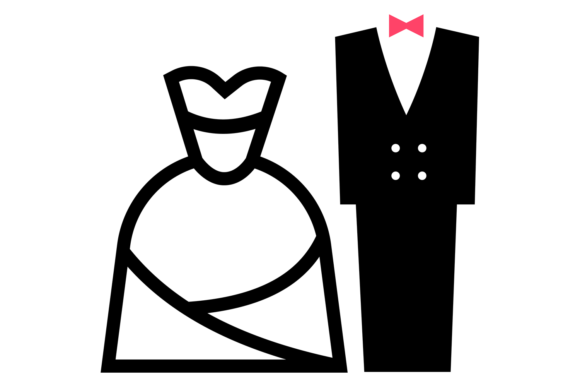
The visual characteristics of a high-quality Bride and Groom Icon are deceptively simple. It’s not just about two stick figures. The best versions pay careful attention to the subtle details: the drape of the wedding dress, the line of the groom's suit, the elegant connection between them—whether holding hands, the groom’s hand on the bride’s waist, or a gentle embrace. The "personality" of the icon can range from classic and formal (think sharp, clean lines, perfect for a black-tie affair) to whimsical and playful (with softer curves, perhaps integrated into a heart or floral wreath, ideal for a garden party). Its overall appeal lies in its immediate clarity and emotional neutrality. It conveys joy and union without being overly specific, allowing it to adapt to countless wedding themes.
Strategic Placement: Where This Wedding Symbol Truly Shines
The Bride and Groom Icon is a versatile design asset, but its power is maximized when used with intention. Its applications span the entire lifecycle of a wedding, from the initial save-the-date to the final thank-you card, and extend into the commercial realm for businesses serving the wedding industry.
For the Couple (Personal Branding): This icon becomes the heart of the couple's brand identity for their event. It should be a consistent thread running through all design assets. Use it as a favicon on a wedding website, a watermark on digital photos, a stamp on envelope seals, or a central motif on programs and menus. In editorial design for a wedding magazine or blog, a well-chosen icon can serve as a recurring decorative element that unifies pages. Its use on social media graphics—as a profile picture frame or a sticker in Instagram Stories—creates instant recognition for guests following the event's hashtag.
For Professionals (Commercial Branding): If you're a wedding planner, photographer, florist, or stationer, incorporating a stylized Bride and Groom Icon into your logo design or marketing materials speaks directly to your clientele. It acts as a visual filter, immediately attracting your target audience. In packaging design for wedding favors, a small, elegant icon elevates the perceived value. For a web design portfolio showcasing wedding work, these icons can be used as section dividers or bullet points, reinforcing your niche expertise. The key is to select an icon style that matches your own brand's tone—whether that's minimalist, vintage, or luxurious.
Mastering the Details: Practical Guidance for Selection and Use
Choosing the right Bride and Groom Icon is a practical decision that impacts readability, professionalism, and audience engagement. Here’s how to approach it methodically.
Evaluate Style and Project Fit: First, define the wedding's (or your brand's) aesthetic. Is it modern typography you're after? Look for icons with clean, geometric lines. For a romantic, traditional feel, seek out serif-inspired details or gentle script-like curves in the silhouettes. The icon should feel like a natural extension of your chosen typeface, not a clash. Always test the icon at the size it will be used. A highly detailed icon may lose its impact when reduced to a tiny website favicon.
Consider File Formats and Licensing: This is crucial for commercial projects. A premium font or icon set will offer multiple formats: EPS and SVG for scalable vector graphics (essential for print and large-format applications), transparent PNG for easy layering in digital designs, and JPG for simple web use. Always, always check the commercial licensing. If you're a designer using the icon in a client's logo or on products for sale, you need a license that permits commercial use. Using a personal-use icon in a commercial project is a common and costly mistake.
Font Pairing and Visual Hierarchy: Think of the icon as a headline element. It should be supported by complementary typography. If the icon has a classic, serif-like elegance, pair it with a clean sans serif font for body text to ensure readability. If the icon is more playful and handwritten, a simple, neutral sans serif can provide balance. The icon should establish a clear visual hierarchy, drawing the eye first, followed by the couple's names, and then the event details. Its consistent use builds brand recognition for the event, making every piece of communication feel polished and intentional.
Testing for Impact: Before finalizing, create a mockup. Place the icon on a sample invitation, a website header, and a social media post. Does it enhance the design or clutter it? Does it convey the right emotion? Does it maintain its clarity in both color and black-and-white? This step is non-negotiable for ensuring the icon contributes to a professional and engaging final product.
In the end, the Bride and Groom Icon is more than a clipart image. It’s a fundamental piece of visual language for one of life's most significant milestones. By selecting it thoughtfully and applying it consistently, you harness a powerful tool for storytelling, whether you're crafting a personal memory or building a professional brand in the wedding space. Its strength lies in its simplicity and its profound ability to say "we" in a single, elegant mark.